
Understanding Sports Broadcasting
Defining Sports Broadcasting
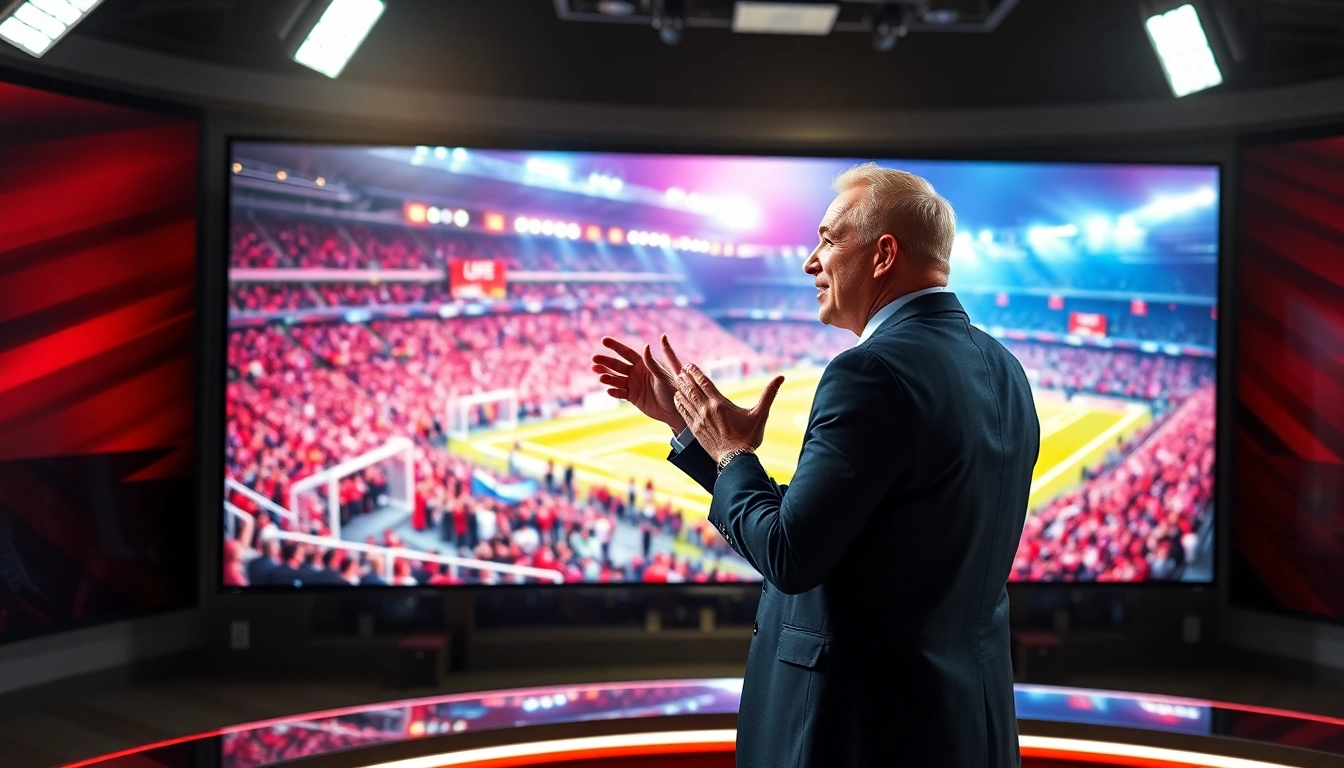
Sports broadcasting encompasses the transmission of sports events through various media channels. It typically involves live coverage, play-by-play commentary, expert analysis, and post-event discussions, all aimed at providing fans with an immersive experience of their favorite sports. The medium can range from television, radio, to digital streaming platforms, allowing sports enthusiasts to follow events in real-time or on-demand. The cornerstone of effective sports broadcasting lies in the blend of entertainment and information, enriching the viewing experience beyond just the actions on the field.
The Evolution of Sports Broadcasting
The history of sports broadcasting can be traced back to the late 1920s when radio became the primary medium for delivering live sports commentary. As technology advanced, the 1950s ushered in television broadcasts, significantly increasing viewership and transforming the landscape of sports consumption. This evolution continued with the introduction of cable television, satellite broadcasting, and, more recently, digital streaming, which has revolutionized how content is distributed. Today, the emphasis is on creating engaging experiences through interactive graphics, multi-camera angles, and real-time analytics.
Importance in Today’s Media Landscape
In an age where audiences are inundated with content options, sports broadcasting plays a vital role in driving engagement. It not only promotes sports but also creates a sense of community among fans. Moreover, the integration of social media has transformed viewer interaction, allowing audiences to engage with broadcasts and connect with other fans. This changing landscape underscores the importance of effective sports broadcasting in cultivating loyal followings and generating significant revenue through advertising and sponsorship deals. A deeper dive into Sports Broadcasting shows how vital these platforms are in today’s fast-paced media environment.
Key Components of Sports Broadcasting
Technical Equipment and Setup
The foundation of any successful sports broadcast lies in reliable technical equipment and a robust setup. Essential components include high-definition cameras, microphones, mixing boards, and broadcasting software. Choosing the right equipment ensures that visuals are clear and audio is crisp, enhancing viewer enjoyment. Additionally, having a strong internet connection and backup systems is crucial, especially for live events that cannot afford technical glitches. The investment in technology not only amplifies production quality but also aligns with audience expectations for comprehensive coverage.
Production Techniques for Engaging Content
Creating engaging content requires innovative production techniques that capture the essence of the event. Utilizing different camera angles, instant replays, and slow-motion effects can highlight key moments effectively. Furthermore, incorporating graphics, statistics, and player information overlays enriches the viewing experience and keeps audiences informed. Another technique is storytelling through commentary, as skilled announcers can weave compelling narratives that connect viewers emotionally to the event and its participants.
Choosing the Right Broadcasting Platforms
Selecting suitable broadcasting platforms is paramount in reaching the right audience. Traditional television remains popular, but digital platforms have gained traction due to their accessibility and flexibility. Live streaming services allow fans to watch events on various devices, catering to a mobile-centric audience. Additionally, partnerships with social media platforms can enhance visibility and engagement. In this diverse landscape, understanding audience preferences and demographics is key to choosing the platforms that will maximize reach and impact.
Best Practices in Sports Broadcasting
Engaging Your Audience Effectively
Engagement is crucial for retaining viewership and attracting new fans. This can be achieved through interactive features such as live polls, Q&A sessions, and real-time social media integration. Encouraging audience participation enhances the broadcasting experience and fosters a sense of community. Additionally, tailoring content to audience interests—whether through specific sports segments or localized coverage—can significantly boost viewer satisfaction and engagement rates.
Building an Interactive Experience
Creating an interactive experience goes beyond engagement; it immerses viewers in the action. Incorporating augmented reality (AR) graphics, augmented viewing features, and interactive timelines allows audiences to delve deeper into the event. These innovations can facilitate a deeper understanding of plays and strategies, promoting an enriched viewing experience. As technology evolves, investing in compelling interactive elements should be a priority for sports broadcasters.
Ensuring Quality and Reliability in Broadcasts
Quality and reliability are non-negotiable aspects of sports broadcasting. Delays and technical issues can detract from the viewer experience. To combat this, broadcasters should implement rigorous testing and quality assurance protocols before live events. Additionally, having contingency plans and backup resources can minimize disruptions. Establishing strong relationships with technical support teams is equally vital to ensuring that any issues are addressed promptly, enabling seamless broadcasting.
Challenges in Sports Broadcasting
Navigating Legal and Regulatory Issues
Legal and regulatory challenges present significant hurdles for sports broadcasters. These can range from rights acquisition for live broadcasts to compliance with broadcasting regulations. Negotiating with leagues and governing bodies for content rights is essential but can be complex and costly. To mitigate risks, broadcasters must stay informed about changing regulations and work closely with legal experts to navigate these waters effectively.
Adapting to Changing Technologies
The rapid advancement of technology poses both opportunities and challenges for sports broadcasting. Keeping pace with new mediums, such as VR and AI, requires constant adaptation and investment. Broadcasters must monitor trends and consumer behaviors to implement relevant technologies into their offerings. Embracing change can lead to enhanced viewer experiences and keep broadcasters competitive in an evolving market.
Managing Competition in the Industry
The sports broadcasting landscape is highly competitive, with numerous services vying for audience attention. Differentiating oneself in this crowded field requires innovative content and strategic partnerships. Establishing exclusive content agreements or unique presentation styles can help to carve out a niche. Additionally, leveraging audience data to personalize offerings can enhance loyalty and encourage long-term viewership.
Future Trends in Sports Broadcasting
Impact of Streaming Services on Sports Broadcasting
The rise of streaming services has profoundly impacted sports broadcasting by shifting audiences from traditional cable to online platforms. This transition has prompted broadcasters to adapt their strategies to offer more flexible and diverse viewing options. Audiences expect on-demand access and the ability to watch content anywhere, leading to the emergence of subscription-based services focused exclusively on sports. As competition increases, understanding viewer preferences will be essential in leveraging streaming technologies effectively.
Emerging Technologies and Innovations
Innovations such as artificial intelligence, virtual reality, and 5G technology are set to reshape the future of sports broadcasting. AI can enhance content personalization and streamline production processes, while VR allows fans to experience games from unique perspectives. The low latency of 5G enhances mobile streaming capabilities, providing high-quality broadcasts on the go. Embracing these technologies can not only improve production quality but also offer audiences richer interactions with their favorite sports.
Potential Changes in Audience Engagement
As technology evolves, so too does audience engagement. Future trends may see even more immersive experiences through the integration of real-time data, interactive features, and community-driven content. Social viewing experiences, where fans can gather virtually to watch events together, are becoming increasingly popular. The challenge for broadcasters will be to innovate continually and create unique, engaging experiences that resonate with the evolving desires of their audiences.
Frequently Asked Questions
What is Sports Broadcasting?
Sports broadcasting refers to the live transmission and commentary of sports events through various media platforms, including television, radio, and online streaming. It aims to connect fans with events in real-time or on-demand.
How has Sports Broadcasting evolved?
Sports broadcasting has evolved from radio broadcasts to television and now includes digital streaming. Technological advancements continue to shape how audiences access and engage with sports content.
What are key components of sports broadcasting?
Key components include technical equipment such as cameras and microphones, production techniques for engaging storytelling, and choosing the right broadcasting platforms to reach target audiences effectively.
What challenges do sports broadcasters face?
Sports broadcasters face challenges including navigating legal issues, adapting to rapid technological changes, and managing competition within the industry to capture and retain viewership.
What trends are shaping the future of Sports Broadcasting?
Future trends include the impact of streaming services, the integration of emerging technologies like AI and VR, and evolving audience engagement methods to enhance viewer experiences.